Why you should care about probiotics

Why should we care about probiotics?  After all, the first time I remember hearing about probiotics was on a commercial about yogurts with added probiotics and I thought “Another gimmick to sell products”.

Of course I knew very little about the meaning of the word probiotics, but I did know that yogurts had cultured or fermented milk in them and were good for you.  I’ve come to realize they naturally contain some species of probiotics and what manufacturers were now doing was adding other species of live bacteria to enhance the yogurts’ probiotic content.

Fast forward to now and a lot has been discovered about the value of probiotics.  Probiotics are the human microbiome.  If you look up the definition of biome it is: “a large naturally occurring community of flora and fauna occupying a major habitat, e.g. forest or tundra.”  Microbiome is the biome that is living in our body.  Instead of types of trees in a forest our microbiome is made up of types of bacteria.  There are at least 5,000 known diverse species of bacteria.

Yes!  They are in us.  What’s more fascinating to me is that it is estimated there are more than 100 trillion bacterial cells in a human body.  That’s about ten times more than the number of human cells in a human body.  So really on a cell count basis we are 90% bacteria!  However, they don’t weigh much; those 100 trillion cells weigh around three pounds which is also the weight of the average brain.

Here’s what has been a recent learning for me.  Nearly 80% of our immune system is found in our digestive tract and everything depends on the health of our gut and the amount of beneficial bacteria that live there.  That means from how well we digest food, how many nutrients we absorb, and our ability to keep bad microbes in check is all depending on our microbiome.

Scientists are now calling our microbiome a newly discovered organ in the human body.  Although this news surfaced on March 27, 2018 it is a pretty new finding but truly outlines the importance of our microbiome.

What are some of the symptoms of an unhealthy gut?

  • Stomach issues like gas, bloating, constipation, diarrhea, and heartburn can all be signs of an unhealthy gut. This may include food intolerances which are the result of difficulty digesting certain foods.
  • Weight gain and obesity can be related to an unhealthy gut. This can occur when certain bacteria that affect how different foods are digested and produce chemicals that help make you feel full are missing in an unhealthy gut.
  • An unhealthy gut may contribute to sleep disturbances such as insomnia or poor sleep, and lead to chronic fatigue. This is because the majority of the body’s serotonin, a hormone that affects mood and sleep, is produced in the gut.  So an unhealthy gut can impair your ability to produce it well.
  • Skin conditions like eczema and acne may be related to a damaged gut. Inflammation in the gut caused by a poor diet or food allergies may cause increased “leaking” of certain proteins out into the body, which can in turn irritate the skin and cause these conditions.
  • It is thought that an unhealthy gut may increase systemic inflammation and alter the proper functioning of the immune system. This can lead to autoimmune diseases, where the body attacks itself rather than harmful invaders.
  • There is some evidence that food allergies may also be related to gut health.

Clearly we should seriously consider probiotics in our health regimen.  Do your research and choose wisely.  I have done mine and I am very satisfied with my newly found probiotics product.  It meets all these criteria: (Click here for more information)

  • All natural ingredientsprobiotics photo
  • Diverse number of strains including different product for vegetarian vs. conventional diets
  • Strength in CFUs (Colony forming units, a measure of the amount of probiotics)
  • Delayed release capsules to protect probiotics from stomach acid (They can reach the gut undamaged)
  • Shelf stability (Storage, handling, shipping)
  • Third party testing to ensure the product delivers the probiotics as stated

The Role of Muscles Is Not Just For Athletes

Muscles are visually pleasing, but they also play a deep inner role you should know about.

Skeletal muscle is versatile, playing a critical role in movement, posture, breathing, circulation, and temperature regulation. Less known is muscle’s ability to support energy and protein metabolism. These features have tremendous influence over our health.

What Muscle Is Made Of

Muscle is a tissue composed primarily of proteins, representing nearly 75% of all protein in our body (1). Proteins are bound up chains of smaller components, called amino acids, linked together in various sequences. When we eat dietary protein, these chains are broken down into amino acids and used for various functions like forming enzymes and hormones, aiding in cellular processes, and building tissue.

Muscle Protein Synthesis and Muscle Protein Breakdown

Our bodies are in a constant state of protein turnover where amino acids are used to build up proteins and proteins are broken down to release amino acids. In relation to muscle, we term these processes muscle protein synthesis (MPS) and muscle protein breakdown (MPB), respectively.

More MPB occurs when energy demands are high or supplies are low, such as during malnutrition (1). A state of prolonged MPB is associated with poor health.

Age, Illness, and Muscle Loss

Muscle is crucial for recovery from illness. It helps balance metabolic needs and acts as a reserve of protein for energy. As a result, muscle decreases in size during sickness. This process is especially prevalent in older individuals who do not address muscle loss with nutrition and exercise.

Unfortunately, the role of muscle throughout life is underappreciated, as is its importance in preventing obesity and diabetes. There is abundant evidence that points to the role of altered muscle metabolism in these chronic diseases (2-4).

This may be explained by how our bodies handle glucose. Muscle is the most abundant insulin-sensitive tissue and helps maintain healthy glucose levels (5, 6). Loss of muscle mass associated with disuse, disease, and aging may be fundamental to metabolic dysfunction. This can lead to a host of metabolic derangements, including reduced insulin signaling, fat tissue expansion, and increased levels of inflammation and reactive oxygen species (7).

Basically, muscle loss is not good for overall health, causing scientists to call for increased protein intake and routine exercise to optimize muscle metabolism (2).

More Muscle, More Energy Expenditure

Even relatively small differences in muscle mass can have a significant effect on energy balance. For example, every 22-pound (10-kilos) difference in lean mass translates to a difference in energy expenditure of approximately 100 calories burned per day.

Considering how obesity often develops over longer periods of time, an extra energy expenditure of 100 calories per day translates to a loss of nearly 11 pounds (5 kilos) of fat mass per year (2).

For this reason, maintaining muscle mass can contribute to the prevention of obesity. Not only will muscle make you look better, but it will keep you feeling better, too.

Our IsaLean® Shakes are an excellent source of protein balanced with fat and carbs to provide the body with all the nutrients needed to fuel the constant state of protein turnover our bodies undergo.*

References

  1. Argilés JM, Campos N, Lopez-Pedrosa JM, et al. Skeletal Muscle Regulates Metabolism via Interorgan Crosstalk: Roles in Health and Disease. J Am Med Dir Assoc. 2016 Sep 1;17(9):789-96.
  2. Wolfe RR. The underappreciated role of muscle in health and disease. Am J Clin Nutr. 2006 Sep;84(3):475-82.
  3. Müller MJ, Lagerpusch M, Enderle J, et al. Beyond the body mass index: tracking body composition in the pathogenesis of obesity and the metabolic syndrome. Obes Rev. 2012 Dec;13 Suppl 2:6-13.
  4. Park BS, Yoon JS. Relative skeletal muscle mass is associated with development of metabolic syndrome. Diabetes Metab J. 2013 Dec;37(6):458-64.
  5. Baron AD, Brechtel G, Wallace P, et al. Rates and tissue sites of non-insulin- and insulin-mediated glucose uptake in humans. Am J Physiol. 1988 Dec;255(6 Pt 1):E769-74.
  6. DeFronzo RA, Jacot E, Jequier E, et al. The effect of insulin on the disposal of intravenous glucose. Results from indirect calorimetry and hepatic and femoral venous catheterization. Diabetes. 1981 Dec;30(12):1000-7.
*This statement has not been evaluated by the Food and Drug Administration. This product is not intended to diagnose, treat, cure, or prevent any disease.

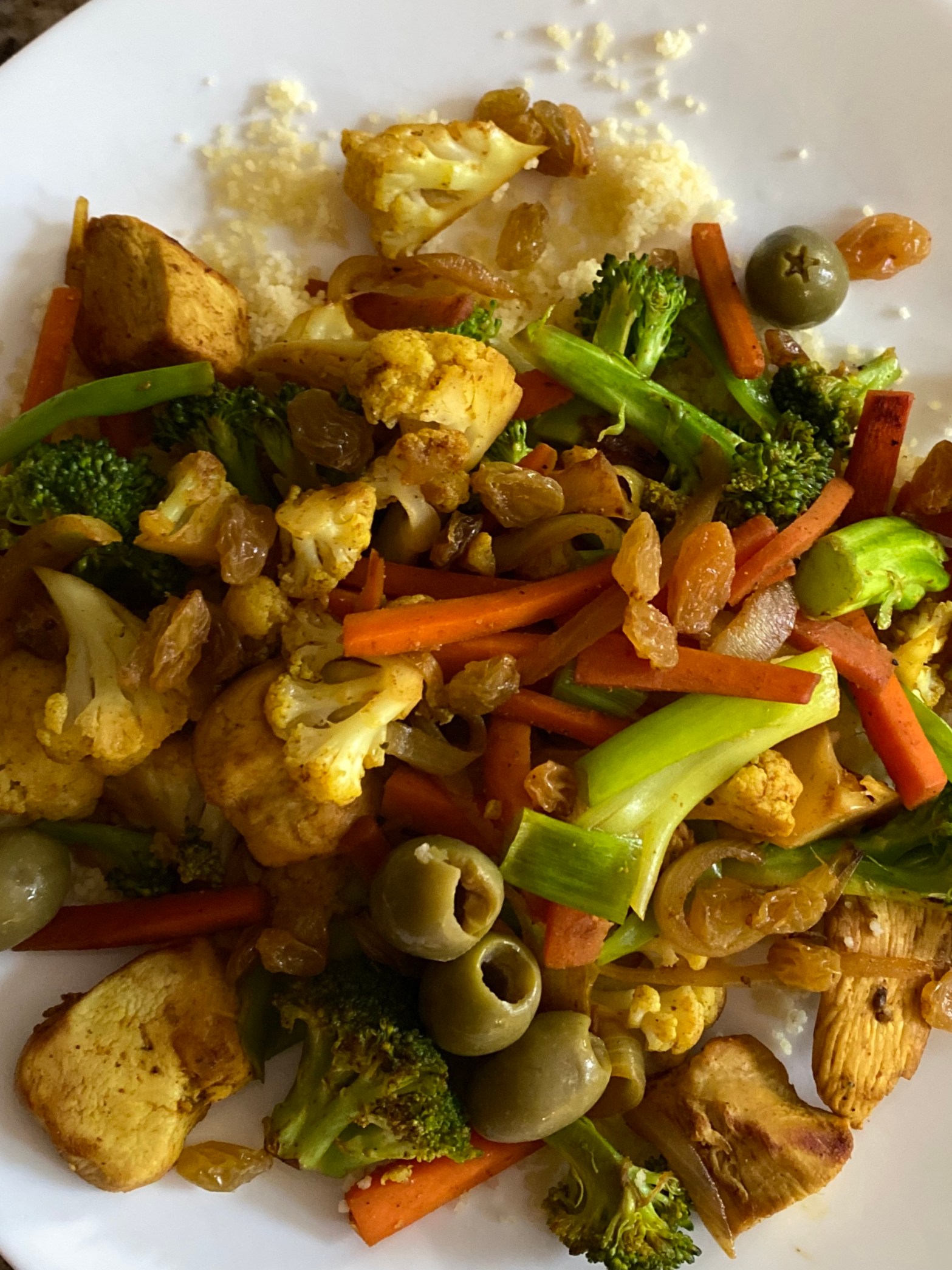
Moroccan-Spiced Chicken Stir-Fry over Couscous

This chicken stir-fry recipe brings the flavors of Morocco to intersect with hints of sweetness from the golden raisins and the tang of green olives.  Enjoy!

img_5611Ingredients: (2 servings)
1 8-oz chicken breast diced in bite size pieces
1 tablespoon coconut oil (can substitute with butter)
1 large carrot thinly sliced
½ sweet onion thinly sliced
2 green onions cut in 2 inch pieces
1 medium sized head of broccoli cut into florets
½ medium sized head of cauliflower cut into florets
½ teaspoon cumin powder
¼ teaspoon cinnamon
½ teaspoon turmeric
½ teaspoon harissa powder (optional but recommended to bring a hint of heat)
¼ teaspoon salt
¼ teaspoon pepper
½ cup chicken broth (can substitute with coconut milk)
Golden raisins and green olives for topping (optional but recommended)
½ cup couscous (uncooked)
1 teaspoon butter

img_5615Directions:

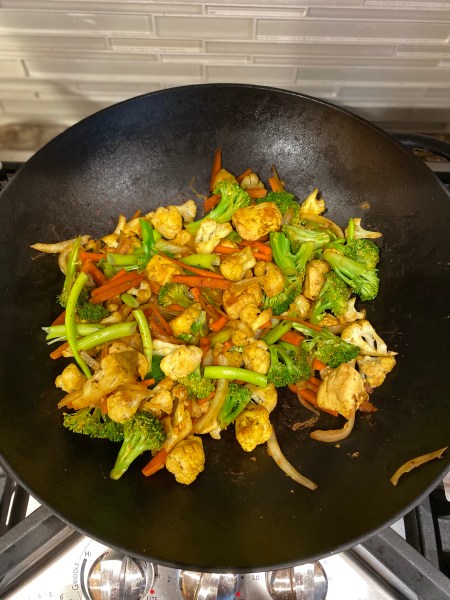
  1. In a wok or large skillet, heat the coconut oil (or butter) and then brown the chicken.
  2. Add carrots and onion to the wok and cook about 5 minutes, until they are starting to soften.
  3. Add the broccoli and cauliflower to the pan and sauté for another 3-4 minutes.
  4. Meanwhile, in a saucepan add ½ cup water and 1 teaspoon butter and bring to boil. When boiling add couscous stirring quickly; remove from heat and cover.  Let stand for 4-5 minutes. (Don’t make the couscous too far ahead as it cools quickly)
  5. Add the spice, broth, and green onions and cook an additional 5 minutes or until all vegetables are tender.
  6. Serve in plates and top with raisins and green olives (if desired)

Don’t Let ‘Hanger’ Get the Best of You

What do you call hunger mixed with anger? “Hanger.” Being hangry can lead to unhealthy snacking.

Hanger can happen to anyone. Feeling irritable and short-tempered is a natural result of hunger. In fact, it’s a part of our brain chemistry. The same mechanisms that manage our feelings of hunger also have an impact on our mood and emotions.

When blood glucose levels fall, our body tells us that it’s time to eat and we feel hungry. Falling blood glucose levels also affect our brains, specifically areas of the brain involved in emotional regulation (1). With a reduced ability for our brains to keep emotions in check, it’s easy to see how feeling hungry and losing our temper can go hand in hand.

Even if you’re trying to eat less to manage your weight, there’s no need to put yourself at risk of feeling hangry. The trick is to plan healthy snacks between your meals to keep both your blood glucose and your mood in balance.

Here are three tips to help you avoid feeling hangry so that you can stay on track with your health and weight-loss goals:

1. Choose healthful snacks over “junk food”.

Many typical snacks are high-glycemic, leading to a spike in blood glucose, followed by a crash that will leave you feeling hungry again in no time (2). Choosing snacks that are high in fiber and protein will keep you satisfied longer (3). Ditching junk foods like cookies or chips in favor of nutritious, satisfying snacks can carry you through your day without worrying about hanger hitting between meals.

2. Snack on a schedule.

Studies have linked skipping meals to a higher body mass index (4). Why is skipping meals associated with a higher body weight? Perhaps because waiting until you feel very hungry before eating can put you at risk for consuming much more than you intended. It’s also possible that skipping meals such as breakfast could lead to overeating later in the day (5).

Don’t wait for hanger to overwhelm your better judgment. Plan when you will eat breakfast, lunch, and dinner, as well as snack times in between. Stick to your schedule, and you won’t feel too hungry to make a sensible choice.

3. Plan for portion control.

Snacking can be a powerful tool for managing appetite and helping you reach your health and weight-loss goals, but only if it’s used wisely. Planning snacks with modest portion sizes is important to make snacking work for you, instead of against you.

Surprisingly, studies suggest that smaller snack portions are just as satisfying as a bigger-sized snack. In one study, researchers asked more than 100 participants to rate how satisfied they felt after eating different portions of the same snack foods. Half the participants received a large portion size while the remaining participants received a much smaller portion of the same foods. Both groups reported feeling equally satisfied, but the group with the smaller portions consumed over 70 percent fewer calories (6).

The study’s takeaway: A portion-controlled snack is just as effective as a larger snack at warding off an attack of hanger, but provides fewer calories.

Keep It Simple With Isagenix Snack Options

Isagenix offers a variety of snack options including choices that are low-glycemic and packed with filling protein and fiber. Options like Fiber Snacks™, Whey Thins™, Harvest Thins™, or Nature Oat Bakes™ are convenient choices that can make healthy snacking easy. If you’ve got a sweet tooth, try IsaDelight® Milk or Dark Chocolates for a portion-controlled way to help satisfy your cravings.

By planning healthful, portion-controlled snacks that include satisfying protein and fiber, you’ll be better able to manage your appetite (and your mood) while supporting your health and weight-loss goals.

References

  1. Kohn N, Toygar T, Weidenfeld C, et al. In a sweet mood? Effects of experimental modulation of blood glucose levels on mood-induction during fMRI. NeuroImage. 2015;113:246-256.
  2. Liyanage D, Edirisinghe I, Burton-Freeman B. Glycemic index (GI) and satiety. Is low GI really superior to high GI for producing satiety in women? Appetite. 2009;52:846-846. Chambers L,
  3. McCrickerd K, Yeomans MR. Optimising foods for satiety. Trends in Food Science & Technology. 2015;41:149-160.
  4. Watanabe Y, Saito I, Henmi I, Yoshimura K, Maruyama K, Yamauchi K, Matsuo T, Kato T, Tanigawa T, Kishida T, Asada Y. Skipping Breakfast is Correlated with Obesity. J Rural Med. 2014;9(2):51-8. doi: 10.2185/jrm.2887.
  5. Gallant A, Lundgren J, Drapeau V. Nutritional Aspects of Late Eating and Night Eating. Curr Obes Rep. 2014 Mar;3(1):101-7
  6. Kleef v, E, Shimizu M, Wansink B. Just a bite: Considerably smaller snack portions satisfy delayed hunger and craving. Food Quality and Preference. 2013;27:96-100.

Are You Getting Enough Nutrition From the Food You Eat?

When we make the effort to eat a balanced diet, it’s easy to assume we’ll get all the nutrition we need from our meals. But, once food is eaten, there’s potential for nutrient loss to occur during the different stages of digestion.

Much of our nutrition depends on how well foods are broken down and absorbed into our bodies. A majority of this absorption happens in the small and large intestines. It’s here where things get complex and trouble can brew, resulting in nutrient loss.

We depend on the microbes in our intestines to produce digestive enzymes that help break down food. These enzymes target a variety of carbohydrates (simple and complex), some fibers (soluble and digestion-resistant oligosaccharides), and various fats and proteins.

Many of us lack the right digestive enzymes to get the most nutrition out of our food. Deficiencies can occur due to age and other factors. Stress and prescription drugs, for instance, can affect the release of digestive enzymes. Additionally, a general lack of microbial diversity can impact our ability to digest certain types of foods, which can lead to stomach upset.

Loss of Microbial Diversity

A Western-style diet comprised largely of processed foods high in saturated fats and refined sugars could be to blame for poor microbial diversity. Most recently, a study found that immigrants moving from a non-Western nation to the United States experienced a loss of gut microbiome diversity. Among other things, these study participants lost bacteria that produce enzymes known for helping digest plant-based foods high in fiber (1). This includes a variety of high-fiber fruits and vegetables.

Without these bacterial enzymes for digestive support, these individuals are at increased risk for digestive concerns like uncomfortable gas and bloating after consuming higher-fiber foods. A depleted gut microbiome may also prevent the absorption of nutrients such as vitamins and minerals due to anti-nutritive components like phytates and hemicelluloses in plant foods.

The disappearance of these microbes might also predispose the immigrants who were part of this study to the same types of chronic health problems linked to Western-style diets (1). Topping the list is the risk of weight gain that can lead to excess visceral fat and central obesity.

The Role of Digestive Enzymes

Digestive enzymes may help counter the effects of a Western-style diet, but they should not be considered the sole method of attaining long-term digestive and overall health. Including a variety of fiber-rich, healthy foods in our diets is a key step toward promoting diverse gut microbiota.

Taking digestive enzymes daily with meals can assist in restoring digestive strength and protecting against potential nutrient loss. Some digestive enzymes such as hemicellulase, beta-glucanase, and phytase can help break down hard-to-handle antinutrient compounds that are present in some plant foods. Healthy digestion paired with added support from digestive enzymes can increase availability of nutrients such as folic acid, vitamin C, magnesium, and calcium.

Additional digestive enzymes, such as lipases, work to break down fats and are helpful for supporting absorption of fat-soluble nutrients, including lutein and lycopene (2). Proteases that break down proteins in foods can boost absorption of vitamins like B12 and minerals like iron. Many protein digestion issues have to do with the loss of digestive enzymes and microbial diversity that often occurs with age (3,4).

These examples show how digestive enzymes can improve nutrient availability from foods, but enzymes may also increase the likelihood of eating a diet with a variety of healthful foods. It shouldn’t be surprising that individuals are more likely to avoid fiber-rich foods if these foods cause them to experience uncomfortable gas and bloating. If anything, digestive enzymes can help to make eating the healthy foods you love more enjoyable.

To find out the latest information on digestive health innovation, click here.

References

  1. Vangay P, Johnson AJ, Ward TL, Al-Ghalith GA, Shields-Cutler RR, Hillmann BM, Lucas SK, Beura LK, Thompson EA, Till LM, et al. US Immigration Westernizes the Human Gut Microbiome. Cell [Internet]. Elsevier Inc.; 2018;175:962–972.e10. Available from: https://doi.org/10.1016/j.cell.2018.10.029
  2. Kopec RE, Gleize B, Borel P, Desmarchelier C, Caris-Veyrat C. Are lutein, lycopene, and β-carotene lost through the digestive process? Food Funct. 2017;
  3. O’Toole PW, Jeffery IB. Gut microbiota and aging. Science. 2015.
  4. Saltzman JR, Russell RM. The Aging Gut: Nutritional issues. Gastroenterology Clinics of North America. 1998.

Is Poor Digestion Sabotaging Your Health and Weight Loss?

Not only does the nutritional makeup of the food you eat matter for your health, but also how well your body digests that food. What’s more, digestive problems are more common than you might think.

Approximately 60 to 70 million people — or about one in five — in the United States suffers from some form of digestive-health problem, according to the National Institutes of Health (1). In addition, Mintel reports that slightly more than half of U.S. adults have taken over-the-counter remedies for symptoms of indigestion (2).

When working properly, your digestive system breaks down the food that serves as building blocks needed for survival, optimal functioning, and health maintenance. Conversely, when not functioning properly, your digestive system can cause unwelcome symptoms such as gas, bloating, constipation, and poor overall health.

Fundamentals of the Digestive System

The digestive system consists mainly of the gastrointestinal tract, also known as the GI tract or gut, which is a system of hollow organs joined together in a long winding tube. These hollow organs include the mouth, esophagus, stomach, small intestine, large intestine, colon, and rectum. Solid organs including the liver, pancreas, and gallbladder are also part of the digestive system.

After entering the digestive process in the mouth, food travels through the GI tract and is mixed with digestive juices, enzymes, and other compounds that help ensure food is broken down. Then the nutrients are absorbed and sent out into the bloodstream. What’s left over after this process is excreted from the body as waste.

Another important part of the digestive system is our gut microbiome, which is a diverse community of microorganisms that also plays a role in digestion of foods and maintaining health (3). Each of us has our own unique bacterial composition that’s affected by various factors including our environment, diet, physical activity, weight, and even stress. When our gut microbiome is in balance, it contributes to overall good health; conversely, if an imbalance occurs, it can lead to poor health outcomes (4-5).

How to Support Your Digestive System

So, how can one best support their digestive system to maintain good health? For starters, maintaining a healthy weight, eating a healthy diet, getting regular physical exercise, and keeping stress levels controlled all contribute to healthy digestive system functioning. Supplemental nutrition factors can also contribute to a well-functioning digestive system.

As enzymes play a critical role in the body’s ability to break down the nutrients in the foods we eat, supplementation with them is sometimes necessary. Certain factors like age and conditions associated with poor digestion make enzyme supplementation even more important to aid in the breakdown of carbohydrates, fats, and proteins and to increase the availability of nutrients (6-7). Additionally, age and other factors may lead to insufficient production of the enzymes needed to digest plant sugars and fibers from fruits and vegetables (8). Plant-based proteins can also be difficult to digest.

Indirectly, these factors can lead a person to avoid lower-calorie fruits and vegetables and rely more heavily on higher-calorie meat products or processed foods. Supplementation with digestive enzymes may help those who have trouble with digesting fruits and vegetables and improve nutrient availability from these plant foods, supporting overall health and weight management.

Supporting microbial diversity in the gut can also support better digestive health. Diet is a major influence on the makeup and diversity of the gut microbiome (9). A diet containing more plant-based foods affects the gut microbiota differently than a diet that contains a larger amount of animal-based foods (10). Regardless of diet type, probiotic supplementation can be beneficial for improving microbial balance and lending diversity to the gut microbiome.

To find out the latest information on digestive health innovation, click HERE.

References

  1. Everhart JE, editor. The burden of digestive diseases in the United States. US Department of Health and Human Services, Public Health Service, National Institutes of Health, National Institute of Diabetes and Digestive and Kidney Diseases. Washington, DC: US Government Printing Office, 2008; NIH Publication No. 09-6443.
  2. Mintel Group Ltd. Digestive Health. US, July 2018.
  3. Buford TW. (Dis)Trust your gut: the gut microbiome in age-related inflammation, health, and disease. Microbiome. 2017 Jul; 5: 80.
  4. Stephens Rw, Arhire L, and Covasa M. Gut microbiota: from microorganisms to metabolic organ influencing obesity. Obesity. 2018 May; 26(5): 801-809.
  5. Le Chatelier E, Nielsen T, Qin J, et al. Richness of human gut microbiome correlates with metabolic markers. Nature. 2013 Aug 29; 500: 541-6.
  6. Roxas M. The role of enzyme supplementation in digestive disorders. Alt Med Rev. 2008; 13(4): 307-314.
  7. Ianiro G, Pecere S, Giorgio V, et al. Digestive enzyme supplementation in gastrointestinal diseases. Curr Drug Metab. 2016 Feb; 17(2): 187-193.
  8. Anderson JW and Chen WJ. Plant fiber. Carbohydrate and lipid metabolism. Am J Clin Nutr. 1979 Feb; 32(2): 346-63.
  9. David LA, Maurice CF, Carmody RN, et al. Diet rapidly and reproducibly alters the human gut microbiome. Nature. 2014 Jan 23; 505(7484): 559-563.
  10. Glick-Bauer M and Yeh M. The health advantage of a vegan diet: exploring the gut microbiota connection. Nutrients. 2014 Oct 31; 6: 4822-4838.

Why doesn’t traditional or fad dieting work?

I’ve often heard that dieting doesn’t work; that people often rebound to their original weight, or worse yet, rebound to a higher weight.  I’ve heard many explanations but I’ve never seen a better one than this:

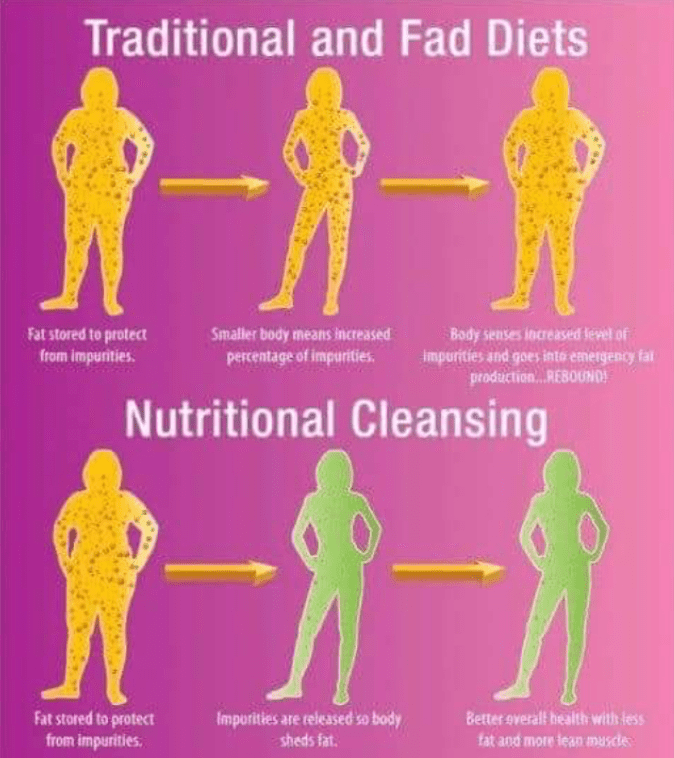
The fact that is often overlooked is fat cells, especially those around our midsection, exist to protect us.  A normal amount of these fat cells ensure there is some distance between each organ and they also don’t bounce around.  However, another role of fat cells is to protect us from toxins and impurities by trapping them.  “What are you talking about?” you say…  Well, it turns out when our body finds impurities and toxins that can be dangerous to our health it captures them in these fat cells and produces more fat cells to be ready for the next attack.  Obviously, this doesn’t enhance our figure but more importantly, too much visceral fat can lead to inflammation and high blood pressure, which increases the risk of serious health problems.

Traditional diets might allow us to lose weight for a while but do not do anything to rid our body of toxins and impurities.  As a matter of fact, after losing some weight the impurities and toxins end up making a higher percentage of our body composition and guess what happens then?  Your body enters an ‘emergency’ mode, creating more fat cells to protect us!

It has been shown that we are commonly exposed to over 167 deadly toxins and impurities that come from our environment, (air, food, water, etc.) and can get trapped in our fat cells.

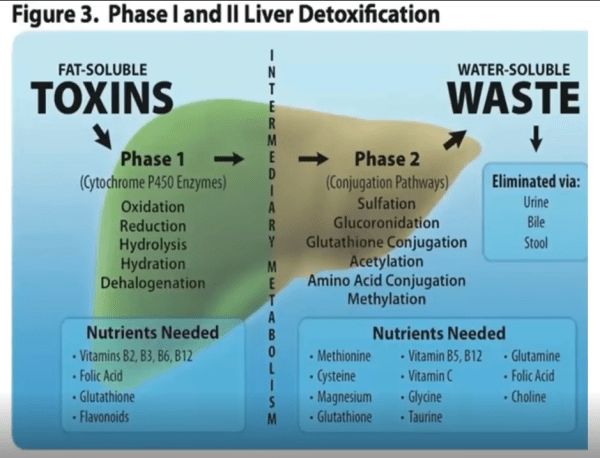
Now here’s what I find really interesting;  After 4 hours from eating our body enter a detox mode where these toxins are released from cells but immediately return into the bloodstream and then go back into other fat cells again.  This is because the toxins are fat-soluble and our liver is only designed to handle water-soluble toxins.  Because of this many of these impurities and toxins are pretty much stuck to us for life!  What can be done?

For that reason alone, Cleanse for life - Toxins from fat soluble to water solubleFor that reason alone, I’m so glad we’ve discovered a supported cleanse using natural botanicals that allows our organs to go through intermediary metabolism.  This means it allows our body to move from phase I to phase II in the liver detoxification process.  It is in this process that the fat-soluble toxins become water-soluble and can then be flushed out and eliminated through our urine, bile and stool!!  This is not a medicine that cures you but rather a natural dietary supplement that allows your body to do what it was designed to do!!*

By nourishing our bodies with balanced nutrition and by eliminating these toxins our bodies no longer need the fat cells used to trap them and thus those cells as well! This yields better overall health with less fat and more lean muscles.

Try this 9-day cleanse system and see the results.  Click HERE for more information.

* This statement has not been evaluated by the Food and Drug Administration. This product is not intended to diagnose, treat, cure, or prevent any disease.

Soar like an Eagle in Troubling Times!

I’ve been focusing on being grateful. Purposefully seeking and acknowledging all of the Lord’s blessings and letting them sink into my grateful heart today!

When we cultivate a grateful heart and we praise our creator, redeemer, and sustainer … we soar like an eagle even in troubling times like these.

So how do you get started? It’s not always a walk in the park!

Life can be challenging and downright difficult at times. Sometimes it just doesn’t seem to come natural to be filled with gratitude. Especially through times like these when we are all experiencing this global pandemic, with stay at home restrictions, missing our friends and family, our colleagues at work and just the simple habits of not going to work each day can throw havoc on the daily cycle for the whole family unit. We miss participating in school, our praise and worship at church, small group, or bible study.

And then there are the financial impacts, burden, and insecurities which can be gut wrenching to say the least.

Some experiencing illness themselves or that of a family member. And significant loss of life in far too many of instances.

When gratitude doesn’t come naturally, that is when we need to dig in deep and intentionally keep our gratitude alive!

Gratitude is a tool, it’s a weapon against the enemy who would be no happier if we would just give up and slowly sink into hopelessness!

It’s when we continually focus on all that is good in our lives, every single detail, of everything that the Lord has provided for us. For the comfort and sustainment of our body, soul, and spirit! We are so blessed and the Lord loves us so much!!!

When we keep our focus on God, our hope will never be consumed by hopelessness and despair!

God’s Word is TRUTH!

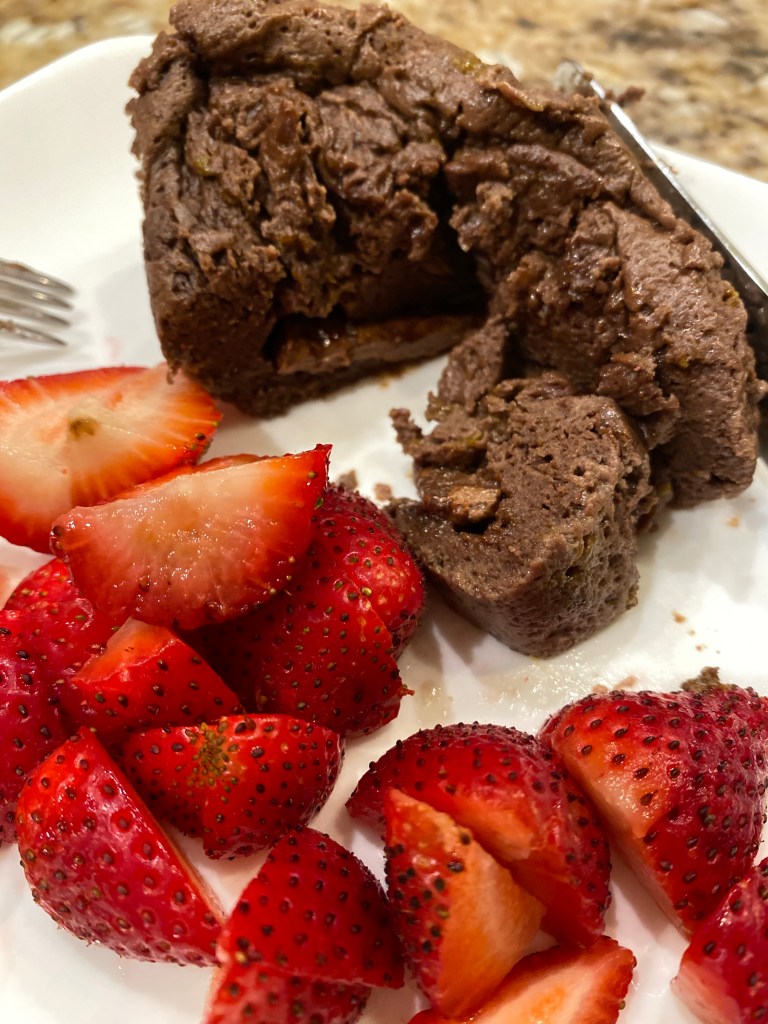
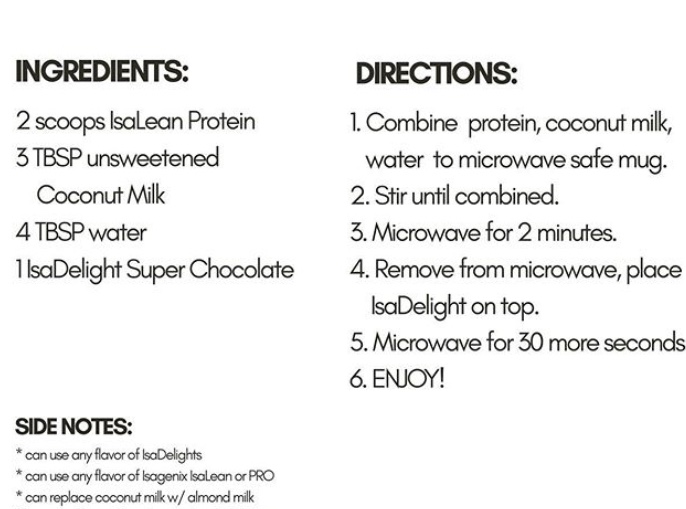
Warm Molten Cake – Decadence in a Mug!

I made this for dessert last night and it was so good. What a decadent yet healthy flavorful dessert! This warm molten mug cake was such a treat!!

Its ~250 calories and a whopping 24 grams of the best whey protein! 24 vitamins and minerals including trace minerals which our bodies are just dying for! 8 grams of fiber, only 5 grams of fat and only 11 grams of natural sugar! It took a total of 2 minutes to make at that!! Tell me where you can get a decadent dessert at that price and in two minutes🤣